
Understanding Body Shape in Nutrition and Lifestyle Context
A comprehensive educational exploration of how nutrition, movement patterns, and lifestyle factors relate to body composition. This resource provides scientific context without promises of personal outcomes.
Body Composition Fundamentals
Body composition refers to the proportion of fat, muscle, bone, and water that make up body mass. Understanding these components provides context for how nutrition and lifestyle choices influence overall physiology. This is a complex interplay of many factors including genetics, dietary patterns, physical activity, rest, stress responses, and individual metabolic characteristics.
Energy balance—the relationship between calories consumed and calories expended—forms the foundational concept in nutrition science. This involves dietary intake, basal metabolic rate, thermic effect of food, and non-exercise activity thermogenesis (NEAT). Each person's body responds differently to these variables based on their unique physiological makeup.
Nutrient Distribution Roles

Proteins serve as building blocks for tissues, enzymes, hormones, and antibodies. Dietary protein supports muscle maintenance and recovery from daily activities.
Carbohydrates provide primary fuel for energy metabolism. They're stored as glycogen in muscles and liver, influencing energy availability for movement and daily function.
Fats are essential for hormone production, cellular structure, and nutrient absorption. They contribute to satiety and provide concentrated energy.
Micronutrients including vitamins and minerals regulate metabolic processes, bone health, immune function, and tissue repair.
Water comprises roughly 60% of body mass and is critical for all physiological processes including temperature regulation and nutrient transport.
Fat Storage Patterns and Body Composition
Fat is stored throughout the body in a process influenced by hormonal regulation, energy intake, and individual genetics. Different individuals have genetic predispositions toward fat distribution patterns, with variations in where fat tends to accumulate.
Body composition changes occur through prolonged shifts in energy balance combined with physical activity patterns. The rate and location of these changes varies significantly between individuals due to genetic factors, age, hormonal profiles, and metabolic efficiency.
Visceral fat (around organs) and subcutaneous fat (under skin) behave differently metabolically. Population-level research shows general correlations between activity levels, dietary patterns, and body composition, but individual variation is substantial.
Population Body Diversity Observations
Scientific observation across populations reveals natural diversity in body composition and shape. Factors contributing to this diversity include:
- Genetic predisposition: Heredity significantly influences baseline metabolism, muscle potential, and fat distribution patterns.
- Age and hormonal changes: Metabolic rate and body composition shift across lifespan stages and with hormonal transitions.
- Dietary patterns: Long-term eating habits influence energy balance and nutrient availability for tissue maintenance.
- Activity levels: Different movement patterns and exercise types contribute differently to muscle development and metabolic function.
- Environmental and lifestyle factors: Sleep quality, stress responses, climate, and access to resources all influence body composition trajectories.
- Individual metabolic efficiency: Variation in how efficiently different individuals process and utilize nutrients.
Daily Activity Contributions to Body Composition

Non-Exercise Activity Thermogenesis (NEAT) encompasses the energy expended through daily movement patterns—walking, occupational activities, fidgeting, and maintaining posture. NEAT varies significantly between individuals and contributes meaningfully to total daily energy expenditure.
Different types of physical activity influence body composition through distinct mechanisms. Resistance training stimulates muscle protein synthesis. Cardiovascular activity enhances metabolic capacity and energy utilization. Flexibility and functional movement support injury prevention and movement quality.
Movement patterns accumulated over time influence muscle mass maintenance, metabolic rate, and bone density. Sedentary behavior sustained over extended periods is associated with metabolic and compositional changes across populations, though individual responses vary considerably.
Hydration and Tissue Balance

Water comprises approximately 60% of adult body mass and is essential for all physiological processes. Proper hydration supports nutrient transport, temperature regulation, metabolic efficiency, and tissue function.
Adequate fluid intake influences appetite regulation, energy metabolism, and physical performance. Chronic dehydration can impair metabolic function and cognitive performance. Individual hydration needs vary based on activity level, climate, and physiological factors.
Fluid balance is maintained through interplay of water intake, losses through respiration and urination, and electrolyte regulation. Body composition assessment often includes fluid status, as water retention can temporarily affect measured weight without changes in actual tissue composition.
Rest, Recovery, and Metabolic Context

Sleep quality and duration significantly influence metabolic function, hormonal regulation, and body composition. During sleep, the body undergoes critical recovery processes including protein synthesis, metabolic restoration, and hormonal rebalancing.
Insufficient sleep is associated with metabolic disruption, altered appetite regulation, and changes in energy partitioning. Sleep deprivation affects hunger hormones (ghrelin and leptin), potentially influencing dietary choices and energy intake patterns.
Stress responses influence cortisol production and metabolic priorities. Chronic stress can affect appetite regulation, nutrient utilization, fat distribution, and muscle retention. Recovery practices including adequate rest support optimal metabolic function and tissue maintenance.
Formula Insights - Featured Articles
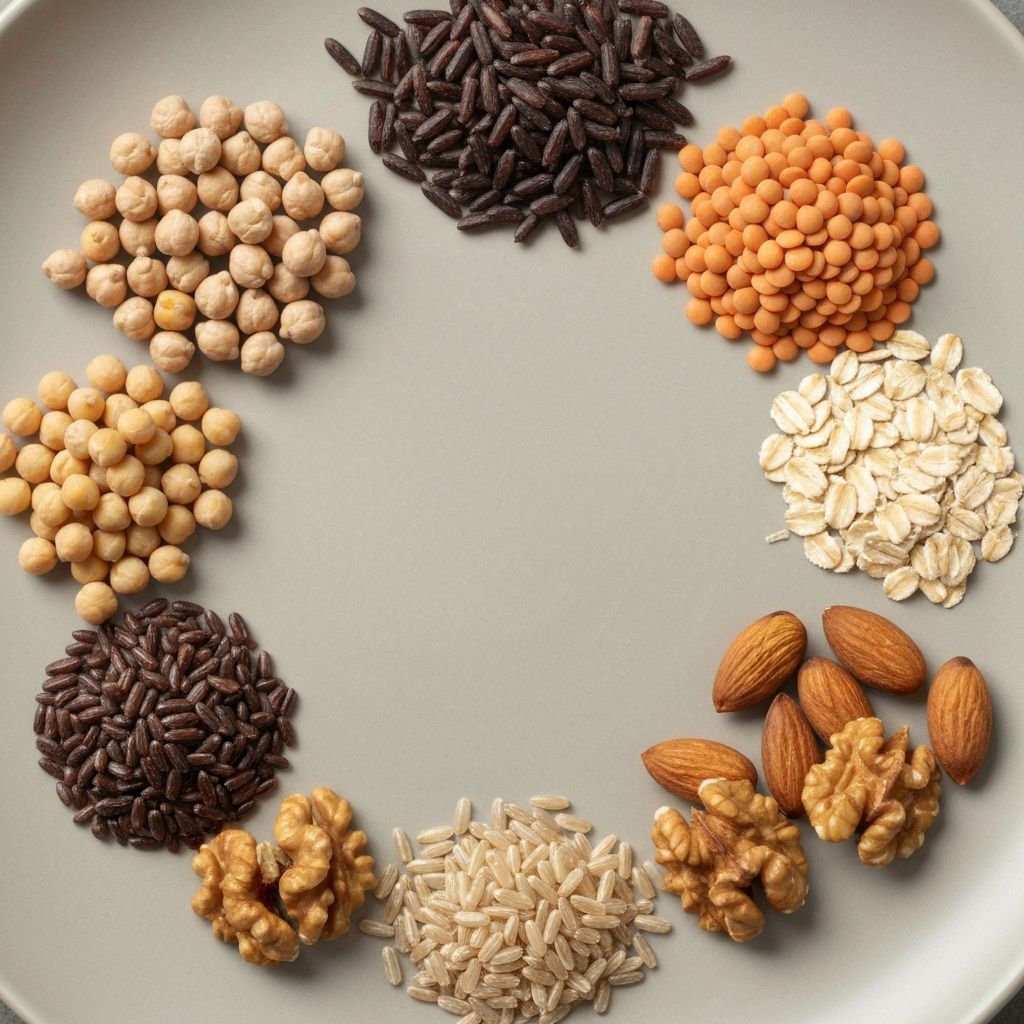
Protein in Tissue Maintenance
Explore the physiological role of dietary protein in muscle preservation and daily metabolic processes.
Read the explanation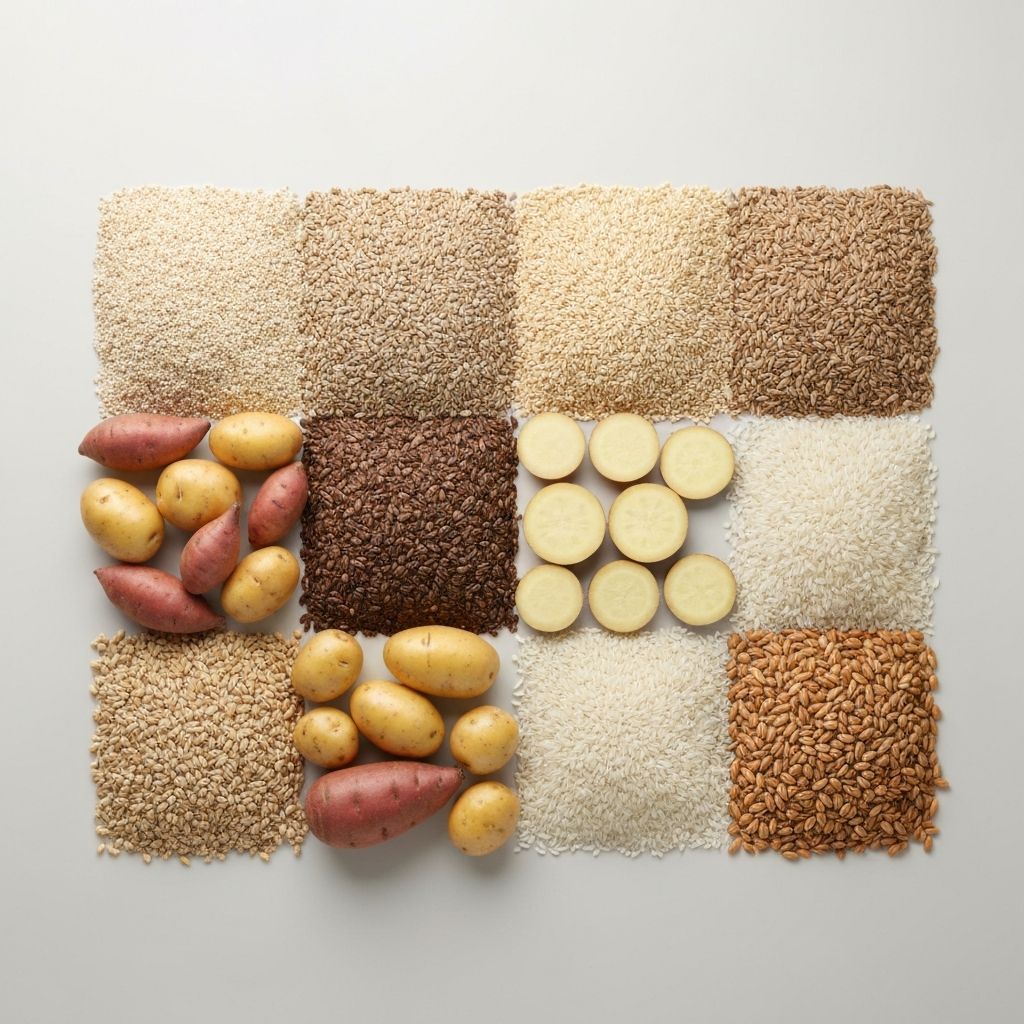
Carbohydrate Storage Pathways
Learn how carbohydrates are processed and utilized for energy throughout the body.
Read the explanation
Fibre and Digestive Composition
Understand how dietary fibre influences digestive health and overall body physiology.
Read the explanationFrequently Asked Questions
Body composition is influenced by multiple interconnected factors: genetics determine baseline potential and metabolic efficiency; dietary patterns affect nutrient availability and energy balance; physical activity type and volume contribute differently to muscle and metabolic capacity; sleep quality impacts hormonal regulation and recovery; stress responses affect metabolic priorities; and age influences metabolic rate and hormonal profiles. Individual variation in how these factors interact is substantial.
Energy balance refers to the relationship between energy consumed (dietary intake) and energy expended (basal metabolism, thermic effect of food, and activity). When intake exceeds expenditure over time, stored energy accumulates. When expenditure exceeds intake, stored energy is mobilized. This process is influenced by metabolic efficiency, hormonal factors, and the composition of food consumed. Individual responses to energy balance vary due to genetic and physiological differences.
Yes, different exercise types influence body composition through distinct mechanisms. Resistance training stimulates muscle protein synthesis and supports muscle maintenance or development. Cardiovascular activity enhances aerobic capacity and contributes to energy expenditure. Flexibility and functional movement support mobility and injury prevention. Combined approaches often provide complementary benefits. Individual responses to different training types vary based on genetics, age, training history, and recovery capacity.
Nutrition quality influences satiety, nutrient bioavailability, metabolic efficiency, and dietary adherence. Whole foods with adequate protein, fibre, and micronutrients typically support better metabolic outcomes than ultra-processed alternatives. Nutrient density—the concentration of vitamins, minerals, and phytonutrients relative to caloric content—influences how efficiently the body can function. However, individual responses to different dietary compositions vary based on genetic factors, food preferences, cultural context, and lifestyle sustainability.
Sleep quality and duration significantly influence metabolic function and body composition through multiple pathways: protein synthesis and muscle recovery occur during sleep; hormonal regulation including insulin sensitivity and appetite hormones is optimized with adequate rest; metabolic rate and energy utilization are influenced by sleep status; immune function is enhanced; and cognitive function supporting healthy decision-making is improved. Chronic sleep deprivation is associated with metabolic disruption and unfavorable body composition changes across populations.
Genetics influence baseline metabolic rate, muscle fiber type distribution, fat distribution patterns, and efficiency in nutrient utilization. Heredity sets the upper limit for muscle potential and influences how the body responds to training and nutrition. However, genetics is not destiny—environmental factors including nutrition, activity, sleep, and stress significantly influence how genetic potential is expressed. Individual variation means that people with similar genetics may have different outcomes based on lifestyle factors.
Body composition can change across the lifespan, though the rate and ease of change varies with age. Aging is associated with gradual muscle loss (sarcopenia) and metabolic rate decline, but resistance training and adequate protein intake can help preserve and build muscle at any age. Metabolic efficiency changes with age due to hormonal shifts and lifestyle patterns. Individual responses vary significantly based on genetics, prior activity history, and current lifestyle choices.
Non-Exercise Activity Thermogenesis (NEAT) is the energy expended through daily activities—walking, occupational movement, fidgeting, and maintaining posture. NEAT can account for a significant portion of total daily energy expenditure and varies greatly between individuals based on work demands, lifestyle patterns, and spontaneous physical activity. Increasing NEAT through more movement throughout the day contributes to overall energy balance and metabolic health.
Chronic stress influences cortisol production and affects multiple body systems relevant to composition: appetite regulation is altered; nutrient partitioning is affected; protein breakdown may be enhanced; fat storage patterns may shift toward visceral fat accumulation; sleep quality is often disrupted; and recovery from training is compromised. Stress management practices including adequate rest, exercise, and recovery strategies support healthier metabolic function and body composition outcomes.
Body composition refers to the proportions of fat, muscle, bone, and water. Different measurement methods (scale weight, body fat percentage, muscle mass) provide different information with varying accuracy. Scale weight reflects total mass including water, glycogen, food in the digestive system, and bone. Body fat percentage estimates tissue composition but varies by methodology. Muscle mass and bone density provide additional context. No single measure tells the complete story; comprehensive assessment considers multiple factors including health markers, strength, energy, and functional capacity.
The information on this site describes general physiological processes and population-level observations. Individual variation is substantial due to genetics, age, health status, medications, and many other factors. This content is educational and informational in nature, not personalized advice. For guidance specific to your individual situation, consult with qualified healthcare or nutrition professionals who can assess your unique circumstances and needs.
Continue Your Learning Journey
TheShapeFormula provides educational context on nutrition science and body composition. Explore our detailed articles to deepen your understanding of the complex relationships between nutrition, lifestyle, and physiology.
Explore the science