Protein in Tissue Maintenance
Understanding the physiological role of dietary protein in muscle preservation and metabolic processes.
What is Protein and Why It Matters
Protein is a macronutrient composed of amino acids, which serve as building blocks for virtually every cell in the human body. Unlike carbohydrates and fats, which are primarily energy sources, proteins function in multiple capacities: structural components of tissues, enzymatic catalysts, hormonal messengers, antibodies for immune function, and transport molecules.
The 20 amino acids from which proteins are constructed fall into two categories: essential amino acids (nine that the body cannot synthesize and must obtain through food) and non-essential amino acids (eleven that the body can produce). Complete proteins contain all nine essential amino acids, while incomplete proteins lack one or more.
Protein and Muscle Tissue Maintenance
Muscle tissue is constantly undergoing processes of breakdown (catabolism) and rebuilding (anabolism). Dietary protein provides the amino acids necessary for muscle protein synthesis, the process by which new muscle tissue is built. This is particularly important following resistance exercise, which creates mechanical tension and microtrauma that stimulates adaptation and growth.
However, muscle maintenance occurs even without structured exercise. Baseline protein requirement supports preservation of existing muscle tissue, which naturally declines with age in the absence of adequate protein intake and activity. The amount of protein required varies based on age, activity level, body composition goals, and individual factors.
Research on protein intake shows that distributed consumption throughout the day (approximately 20-30 grams per meal) optimizes muscle protein synthesis compared to concentrated intake at a single meal. Additionally, the timing of protein intake relative to exercise influences recovery and adaptation.
Broader Metabolic Functions of Protein
Beyond muscle tissue, protein is essential for immune function. Antibodies that protect against pathogens are proteins. The immune system relies on adequate protein intake to maintain capacity for producing antibodies and immune cells in response to threats.
Enzymes—biological catalysts that enable metabolic reactions—are predominantly proteins. These include digestive enzymes, metabolic enzymes involved in energy production, and enzymes that regulate hormone synthesis. Without adequate protein, enzymatic function is compromised.
Hormones are protein-based molecules that regulate numerous physiological processes. Growth hormone, insulin, glucagon, and thyroid hormones all contain protein components. Adequate protein availability supports optimal hormonal function.
Protein Intake and Body Composition
Protein has unique metabolic effects compared to carbohydrates and fats. The thermic effect of protein—the energy required to digest, absorb, and process it—is higher than other macronutrients (approximately 20-30% of protein calories versus 5-10% for carbohydrates and 0-3% for fats). This means the body uses proportionally more energy to process dietary protein.
Protein also influences satiety. Protein-rich meals tend to be more satiating than meals with lower protein density, meaning they tend to produce greater feelings of fullness. This can influence overall energy intake patterns and eating behavior.
Population-level research suggests that higher protein intake is associated with preservation of muscle tissue during energy restriction (caloric deficit), whereas low protein intake combined with insufficient energy often leads to greater muscle loss. However, individual responses vary based on genetics, training status, and other factors.
Protein Sources and Dietary Context
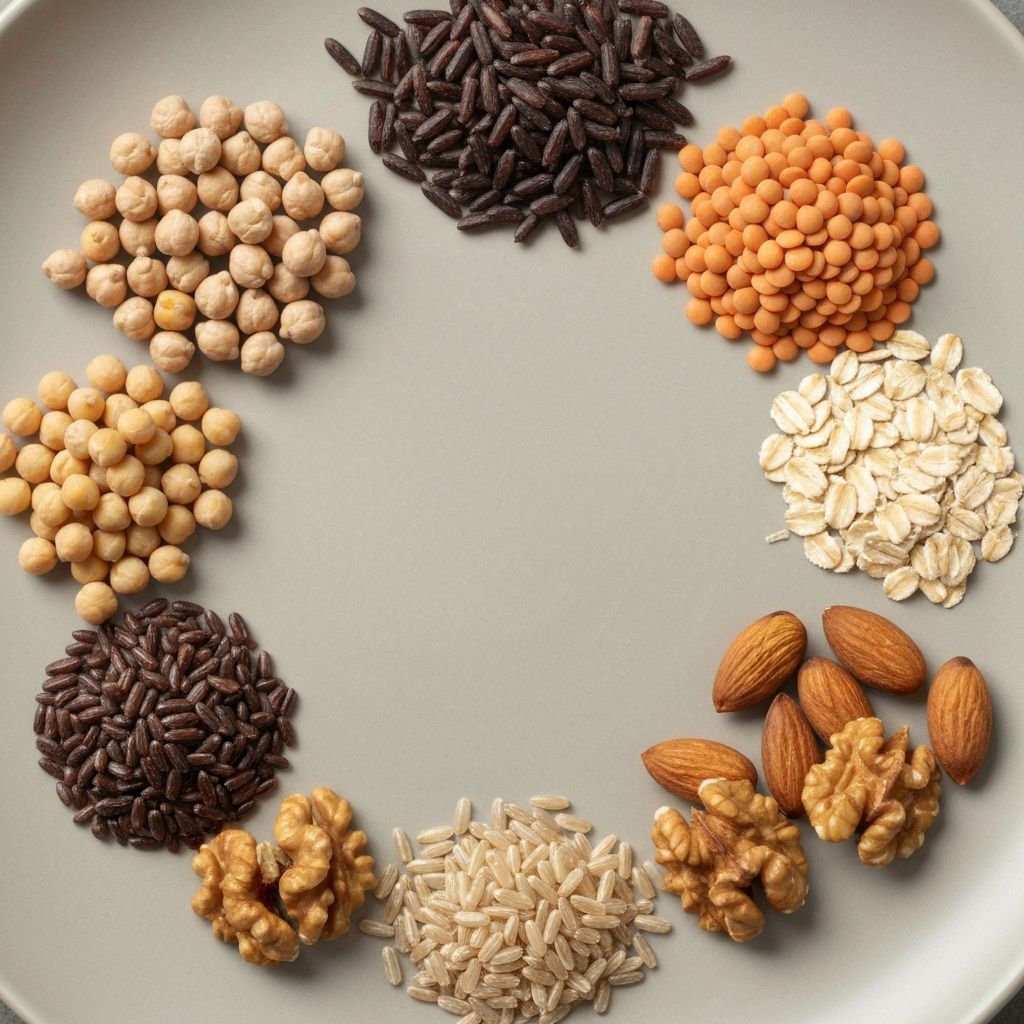
Protein is obtained from diverse food sources including animal products (meat, fish, poultry, eggs, dairy) and plant-based sources (legumes, grains, nuts, seeds, and vegetables). Different sources offer varying micronutrient profiles and nutrient density. For example, fatty fish provides protein alongside omega-3 fatty acids, while legumes provide protein with fiber and minerals.
Individual dietary patterns, cultural food preferences, allergies, and ethical considerations influence protein source selection. Adequate protein can be obtained from various dietary approaches including omnivorous, vegetarian, and vegan diets, though planning and food combination may vary in plant-based approaches.
Individual Variation in Protein Requirements
Protein requirements vary based on multiple factors. Age influences needs—older adults may require higher protein intake to maintain muscle mass due to age-related changes in muscle protein synthesis. Physical activity level significantly affects requirements, with resistance training generally increasing protein needs beyond sedentary baseline. Body composition goals, current muscle mass, metabolic efficiency, and health status also influence optimal protein intake.
Additionally, individual genetic variations influence how efficiently protein is utilized and how much muscle can be synthesized from a given protein intake. Research suggests an optimal range rather than a single ideal intake for all individuals.
Limitations and Considerations
While adequate protein is important, more protein is not necessarily better. Excessive protein intake beyond individual requirements is not directly harmful but is simply metabolized like other energy sources. Adequate hydration is important when consuming higher protein amounts to support kidney function.
Protein quality, source diversity, overall dietary pattern, activity level, sleep, stress management, and numerous other factors influence how effectively protein supports tissue maintenance. No single nutrient determines body composition or health outcomes.
Continue Your Learning
Explore other aspects of nutrition and body composition science.
View all articles